

- 1. HR Becomes Strategic When the Company Starts to Scale
- 2. HCM Implementation Requires Planning
- 3. HCM Implementation Requires Planning
- 4. What Is an HCM System?
- 5. The Business Problem: HR Data Is Often Scattered
- 6. Centralizing HR Processes in One System
- 7. Automating Administrative Work
- 8. Better Decisions Through Reliable HR Data
- 9. Improving Employee Experience
- 10. Connecting Attendance, Payroll, Performance, and Training
- 11. Supporting Growth Without Losing Control
HR Becomes Strategic When the Company Starts to Scale
In a small company, HR can often be managed with basic files, emails, spreadsheets, and a payroll workflow. But as the company grows, HR becomes more complex. New branches open, departments expand, shifts multiply, roles become more specialized, and leadership needs better visibility into people, performance, attendance, training, and workforce cost. At that point, HR is no longer just an administrative function. It becomes a strategic part of how the company grows, controls risk, and develops talent. This is the core idea behind implementing an HCM system. The original Nibelis article explains that an HR information system centralizes and automates HR processes, supports decisions based on reliable data, and improves the employee experience.
HCM Implementation Requires Planning
Implementing HCM is not simply a technical installation. It requires reviewing current HR processes, cleaning employee data, defining approval workflows, setting permissions, training users, and aligning HR policies with the system. Companies should begin by identifying the most painful HR gaps. Is payroll preparation slow? Are attendance records unreliable? Are performance reviews inconsistent? Is training disconnected from skill gaps? The best implementation roadmap starts from the problems that affect business performance most.
HCM Implementation Requires Planning
Implementing HCM is not simply a technical installation. It requires reviewing current HR processes, cleaning employee data, defining approval workflows, setting permissions, training users, and aligning HR policies with the system. Companies should begin by identifying the most painful HR gaps. Is payroll preparation slow? Are attendance records unreliable? Are performance reviews inconsistent? Is training disconnected from skill gaps? The best implementation roadmap starts from the problems that affect business performance most.
What Is an HCM System?
HCM stands for Human Capital Management. It is a software system and management approach that helps companies manage the full employee lifecycle: hiring, onboarding, employee records, attendance, payroll inputs, performance, training, skills, development, and reporting. Unlike basic HR tools that only manage isolated tasks, an HCM system connects HR operations in one environment. This gives HR teams, managers, and executives a clearer view of the workforce and helps them make decisions based on data rather than assumptions.
The Business Problem: HR Data Is Often Scattered
Many companies do not suffer from a lack of effort in HR. They suffer from scattered information. Employee data may be stored in spreadsheets. Attendance may be managed in one system. Payroll may depend on manual calculations. Performance reviews may be saved in separate files. Training records may not be connected to employee development plans. This creates delays, duplicated work, reporting gaps, and avoidable errors. It also prevents management from seeing the full picture: which departments need hiring, which employees need development, which teams face high turnover, and which HR costs are increasing.
Centralizing HR Processes in One System
One of the strongest reasons to implement HCM is centralization. When employee information, career history, skills, training, attendance, and workflow approvals are managed in one system, HR teams spend less time searching for information and more time improving how people are managed. The Nibelis source emphasizes that an HR information system helps centralize and streamline HR processes, making employee data easier to access and update in real time. For growing companies, this is not just a productivity benefit. It is a governance benefit.
Automating Administrative Work
Manual HR administration consumes time. Leave requests, absence tracking, payroll preparation, employee updates, and workforce planning can easily become slow and error-prone when handled through disconnected tools. An HCM system automates repetitive workflows so HR teams can focus on higher-value work such as workforce planning, employee engagement, talent development, and management support. This is especially important for companies with multiple branches, shifts, or employee groups across Egypt, Saudi Arabia, or regional markets.
Better Decisions Through Reliable HR Data
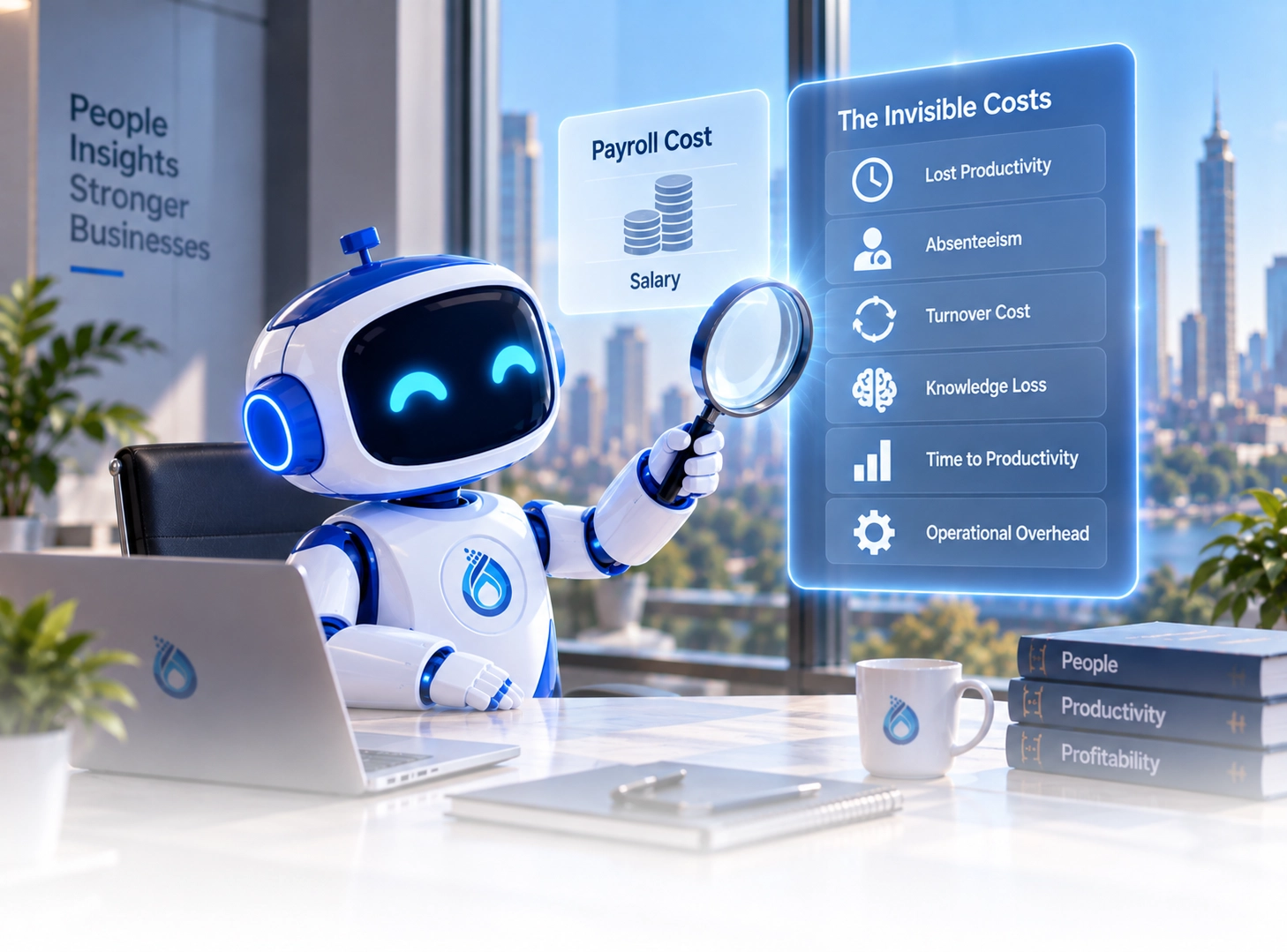
A strategic HR decision requires reliable data. Without accurate dashboards, leadership may not understand workforce cost, absenteeism, performance trends, engagement, or training needs. The Nibelis article explains that HR information systems can provide customizable dashboards and reports, helping HR leaders and executives analyze key indicators such as performance, employee engagement, and HR-related costs. This makes HCM valuable for companies that want to plan hiring, detect workforce trends, and make proactive decisions.
Improving Employee Experience
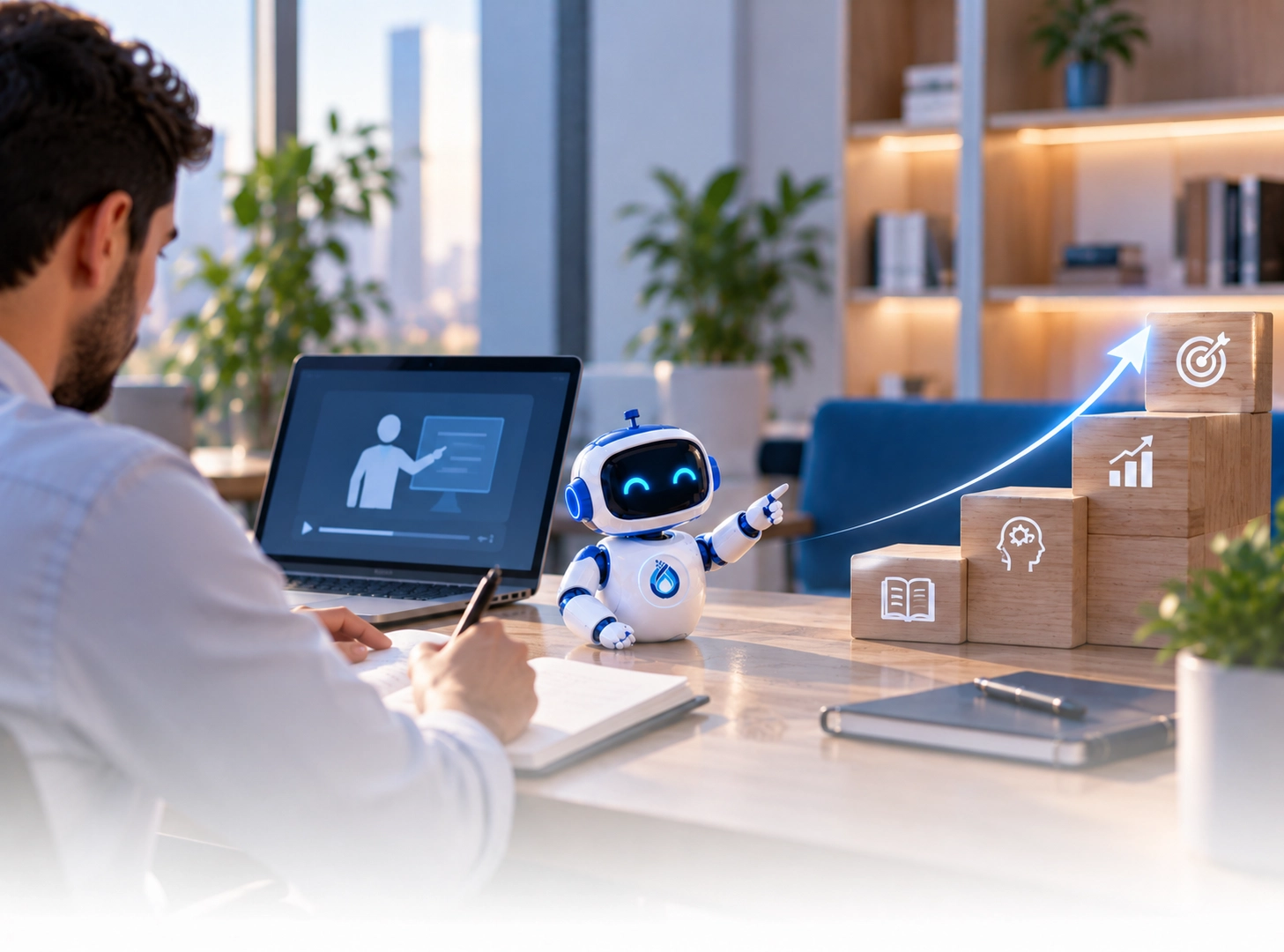
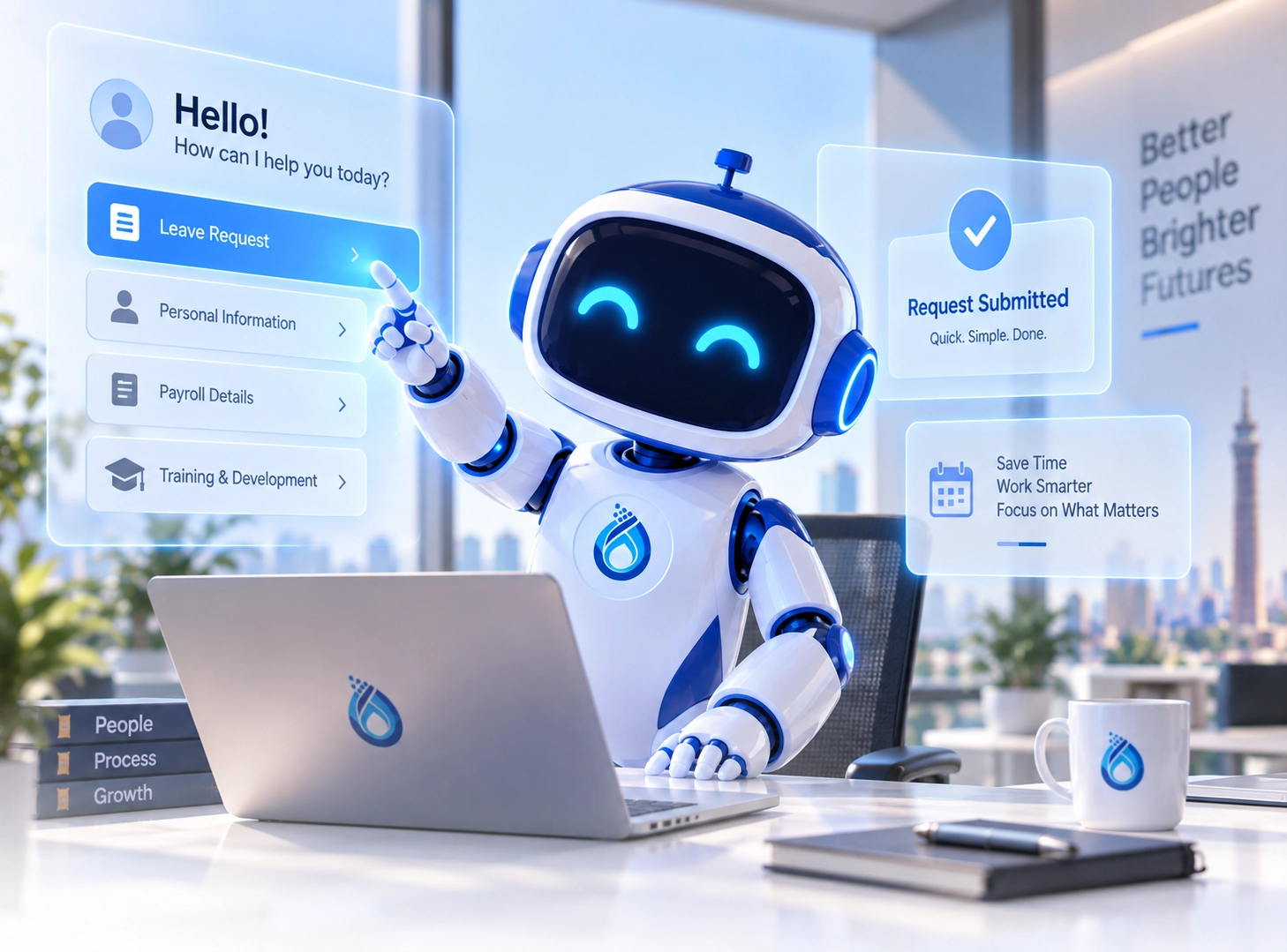
An HCM system does not only help HR departments. It also improves the employee experience. Employees can access their information, submit leave requests, update skills, follow training programs, and interact with HR more easily. When employees have self-service tools, HR becomes faster and more transparent. This reduces repetitive requests and gives employees more control over their professional journey. For companies competing for talent, employee experience is directly connected to retention and productivity.
Connecting Attendance, Payroll, Performance, and Training
The real value of HCM appears when HR processes are connected. Attendance should support payroll. Performance should guide training. Skills data should inform promotion plans. Recruitment should connect to workforce planning. Employee records should support compliance and reporting. For example, a company that manages shifts manually may face payroll disputes or inaccurate absence records. A connected HCM environment reduces these issues by linking HR data to operational workflows. For a related operational angle, read TIDAL’s guide on choosing a biometric attendance system for companies and how attendance data can support payroll accuracy.
Supporting Growth Without Losing Control
Growth creates complexity. A company with 50 employees can often manage HR manually. A company with 500 employees cannot rely on the same methods. Every new branch, department, or workforce category increases the need for structured HR processes. An HCM system gives companies a scalable foundation. It can support additional users, roles, permissions, workflows, and reporting needs as the organization grows. This is why HCM implementation should be viewed as a strategic investment, not only as an HR software upgrade.