
- 1. Why are manual methods no longer enough for time management?
- 2. What does a modern attendance system provide inside HCM?
- 3. How does the system support shifts and flexible schedules?
- 4. How does attendance directly affect payroll accuracy?
- 5. Why do field teams need mobile attendance?
- 6. How does the system help management make better decisions?
- 7. Conclusion
Why are manual methods no longer enough for time management?
Scattered files and Excel sheets may seem acceptable at first, but they quickly become a visible burden as employee numbers grow, shifts vary, locations expand, or the company needs to connect attendance with payroll and leave. The challenge is not only recording clock-in and clock-out times. It is everything that follows: processing absence and lateness, calculating overtime, reviewing exceptions, approving permissions, and matching worked time with entitlements. When these details are handled manually, errors become more frequent, reviews become slower, and employee confidence declines.
What does a modern attendance system provide inside HCM?
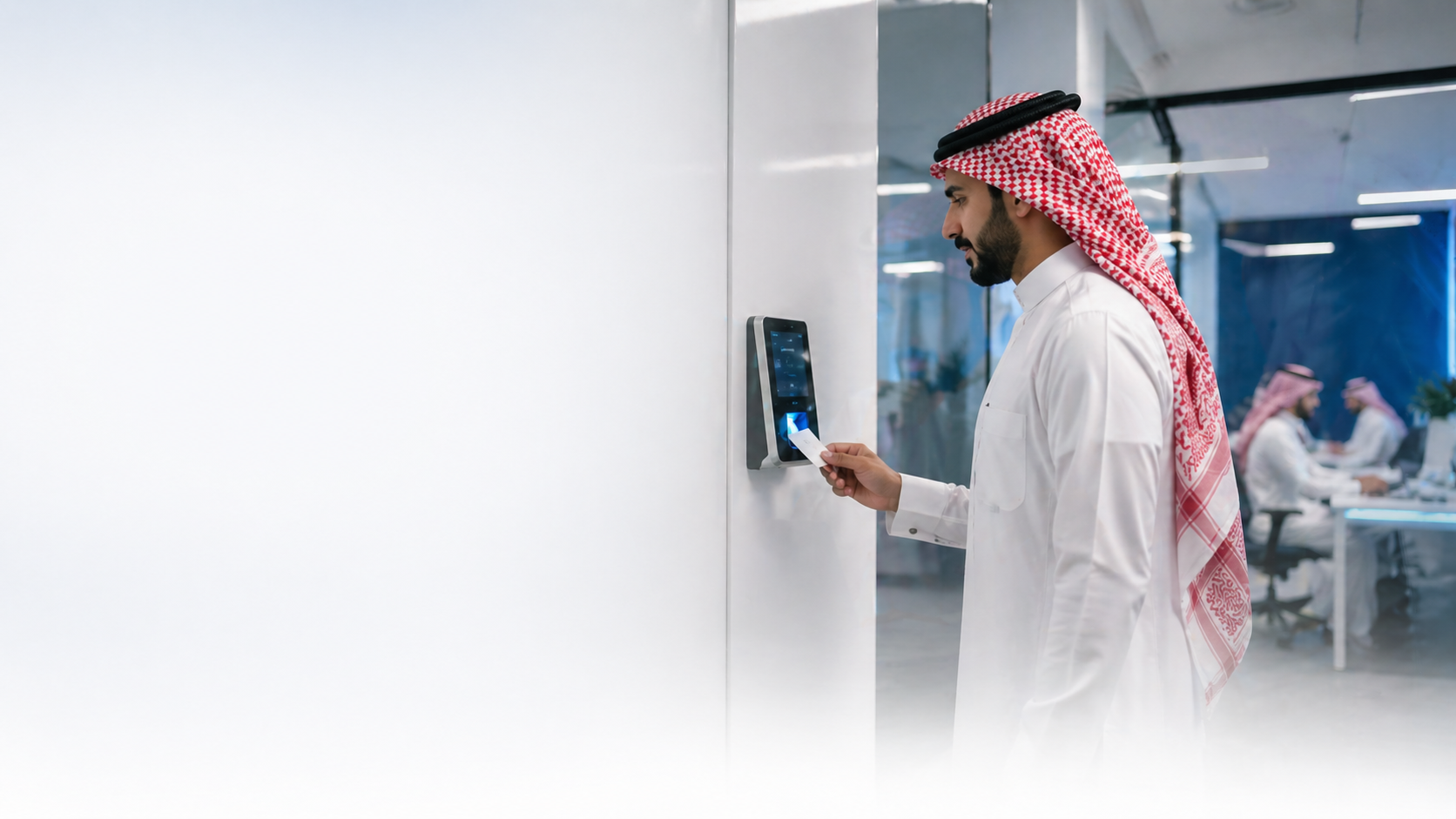
A modern system does not stop at recording attendance. It builds a full operational layer for time management. It centralizes attendance data, processes time variables accurately, and gives HR and management a clearer picture of daily discipline and each employee’s status. It also links leave, permissions, and return-from-leave records to the same time history, preventing conflicts between who is considered present, absent, or on assignment. When this module is part of an HCM platform, the value of the data rises even further because it no longer stays isolated from the employee file, payroll, or requests.
How does the system support shifts and flexible schedules?
This is one of the most important areas that distinguishes a strong solution. Companies operating with shifts need more than a start time and an end time. They need different schedules, rotating rosters, sudden substitutions, and special rules for lateness, leaving early, or overtime depending on the shift type. A capable system helps define different time plans and assign each employee group to the appropriate rule set. It also supports flexible work without opening the door to chaos, because flexibility itself becomes controlled and measurable.
How does attendance directly affect payroll accuracy?
The connection is extremely direct. When working hours, absence, lateness, and overtime are calculated accurately, payroll becomes fairer and less dependent on manual adjustments. If time data is inconsistent, payroll is automatically affected: incorrect deductions, missing or inflated overtime, uncounted lateness, or leave that does not accurately affect balances and entitlements. That is why the best companies no longer look at attendance as a standalone tool. They treat it as a core source that feeds payroll, operational discipline, and management reporting.
Why do field teams need mobile attendance?
Relying only on a fixed device inside one location does not suit every work environment. Field sales teams, supervisors, off-site employees, and site-based workers need a recording method that fits the reality of their work. That is why a mobile attendance system with geolocation controls has become an important part of modern solutions. Instead of forcing the company to use partial tools, messages, or manual confirmations, attendance can be documented through the app itself with stronger controls and easier follow-up.
How does the system help management make better decisions?
When time data is gathered inside one system, management becomes able to identify patterns that were previously hidden: departments with repeated lateness, shifts that need redistribution, periods with excessive overtime, or operating units with weak discipline. This visibility is not only useful for control. It supports better planning, higher efficiency, and fairer decisions. That is where the real value of the system appears: not only in recording time, but in turning it into operational information that can be improved.
Conclusion
An employee attendance tracking system should not be understood as a simple clocking tool. It is an operational structure that manages time, schedules, shifts, and payroll with a much higher level of accuracy. The larger the company becomes, or the more varied its work patterns are, the more important this module becomes inside HCM. The real goal is not only to know who showed up. It is to build a fair, clear time-management process directly connected to operations, entitlements, and control.