- 1. Why don’t enterprise systems perform at their best when they remain disconnected?
- 2. What does Tidal mean by an interconnected solution ecosystem?
- 3. How does ERP play its role inside the corporate picture?
- 4. How does ERP play its role inside the corporate picture?
- 5. How does HRMS function as a people operations layer?
- 6. Where does the healthcare solution sit inside the ecosystem?
- 7. Conclusion
- 8. How does this ecosystem serve senior management and decision-makers?
Why don’t enterprise systems perform at their best when they remain disconnected?
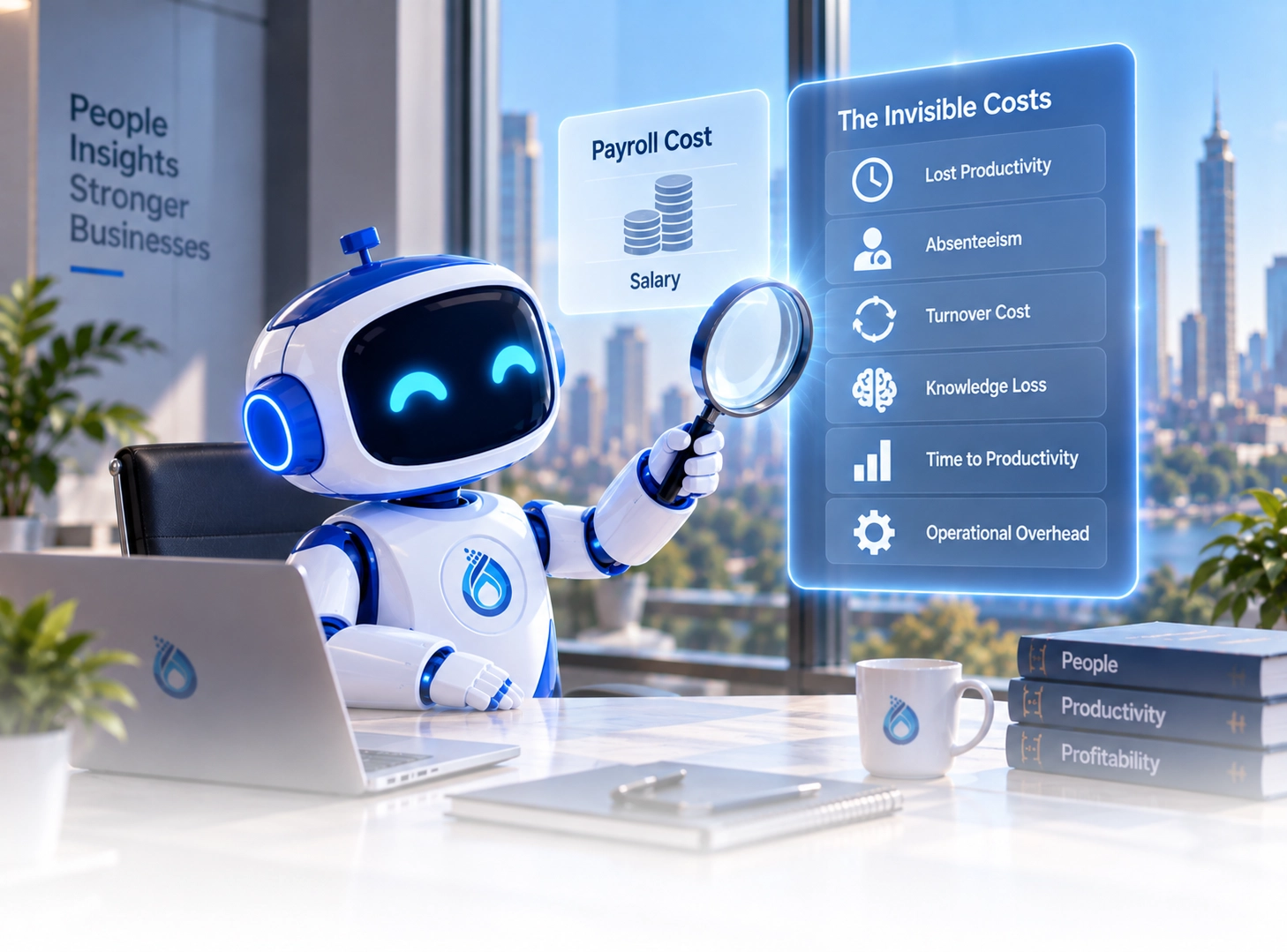
The challenge in large organizations is not usually the absence of systems. It is the absence of meaningful connection between them. An organization may have a powerful accounting system, a capable HR platform, and a specialized identity or access tool for healthcare or another sensitive operating environment. That still does not automatically mean it has an integrated enterprise ecosystem. When systems remain disconnected, the problems surface as delays in data flow, repeated data entry, conflicting reports, weak accountability tracing, and greater dependence on manual processing across departments. Most importantly, senior management sees fragments of the picture, but not the complete picture at the same time. At that point, the enterprise system loses the very advantage it is supposed to deliver: transforming scattered data into structured, timely decisions. That is why any conversation about Tidal’s solutions starts from a core principle: the value of a system is not measured only by its standalone strength, but by its ability to function inside a unified ecosystem.
What does Tidal mean by an interconnected solution ecosystem?
Tidal’s official pages present a solution portfolio that includes Human Capital Management, TIDAL ERP, and Single Sign ON (SSO), alongside other offerings such as backup, archiving, and supporting applications. This positioning reveals a clear direction: the company is not presenting itself as a single-system vendor, but as a provider of a business ecosystem whose components can be connected to serve the organization from multiple angles at the same time. At the level of official messaging, Tidal describes HCM as a system that simplifies HR operations and improves employee engagement. It presents ERP as a platform that integrates business functions and delivers real-time data, automation, and collaboration. It presents SSO as a secure access and identity gateway that uses biometric authentication to strengthen both security and usability in sensitive environments. When these three messages are viewed together, they form a logical institutional structure: resource management, business management, and identity-and-access management. So, the “Tidal ecosystem” does not simply mean having three solutions listed in one portfolio. It means having three integrated layers inside the organization: a business operations layer, a people management layer, and an identity, control, and access layer.
How does ERP play its role inside the corporate picture?
Tidal’s official pages present a solution portfolio that includes Human Capital Management, TIDAL ERP, and Single Sign ON (SSO), alongside other offerings such as backup, archiving, and supporting applications. This positioning reveals a clear direction: the company is not presenting itself as a single-system vendor, but as a provider of a business ecosystem whose components can be connected to serve the organization from multiple angles at the same time. At the level of official messaging, Tidal describes HCM as a system that simplifies HR operations and improves employee engagement. It presents ERP as a platform that integrates business functions and delivers real-time data, automation, and collaboration. It presents SSO as a secure access and identity gateway that uses biometric authentication to strengthen both security and usability in sensitive environments. When these three messages are viewed together, they form a logical institutional structure: resource management, business management, and identity-and-access management. So, the “Tidal ecosystem” does not simply mean having three solutions listed in one portfolio. It means having three integrated layers inside the organization: a business operations layer, a people management layer, and an identity, control, and access layer.
How does ERP play its role inside the corporate picture?
Within the ecosystem, ERP is not just an accounting tool. Its role is much broader than that. It serves as the operational backbone that connects finance, operations, inventory, procurement, billing, and reporting in one central point. That centrality is exactly what makes ERP such a decisive element in building the institutional picture. TIDAL ERP’s official positioning reinforces this meaning clearly. It presents the system as a platform that integrates different business functions while providing real-time data, automation, customization, and scalability. When ERP is understood in this way, its place inside the ecosystem becomes clear: it is the engine that organizes the organization’s economic and administrative cycle and turns separate functions into a connected operating workflow. ERP matters inside the Tidal ecosystem because it ensures that financial and operational decisions do not sit far from the organization’s day-to-day reality. What happens in supply chains, contracts, payments, inventory, or profitability indicators does not stay locked inside one department. It becomes part of the organization’s broader institutional view.
How does HRMS function as a people operations layer?
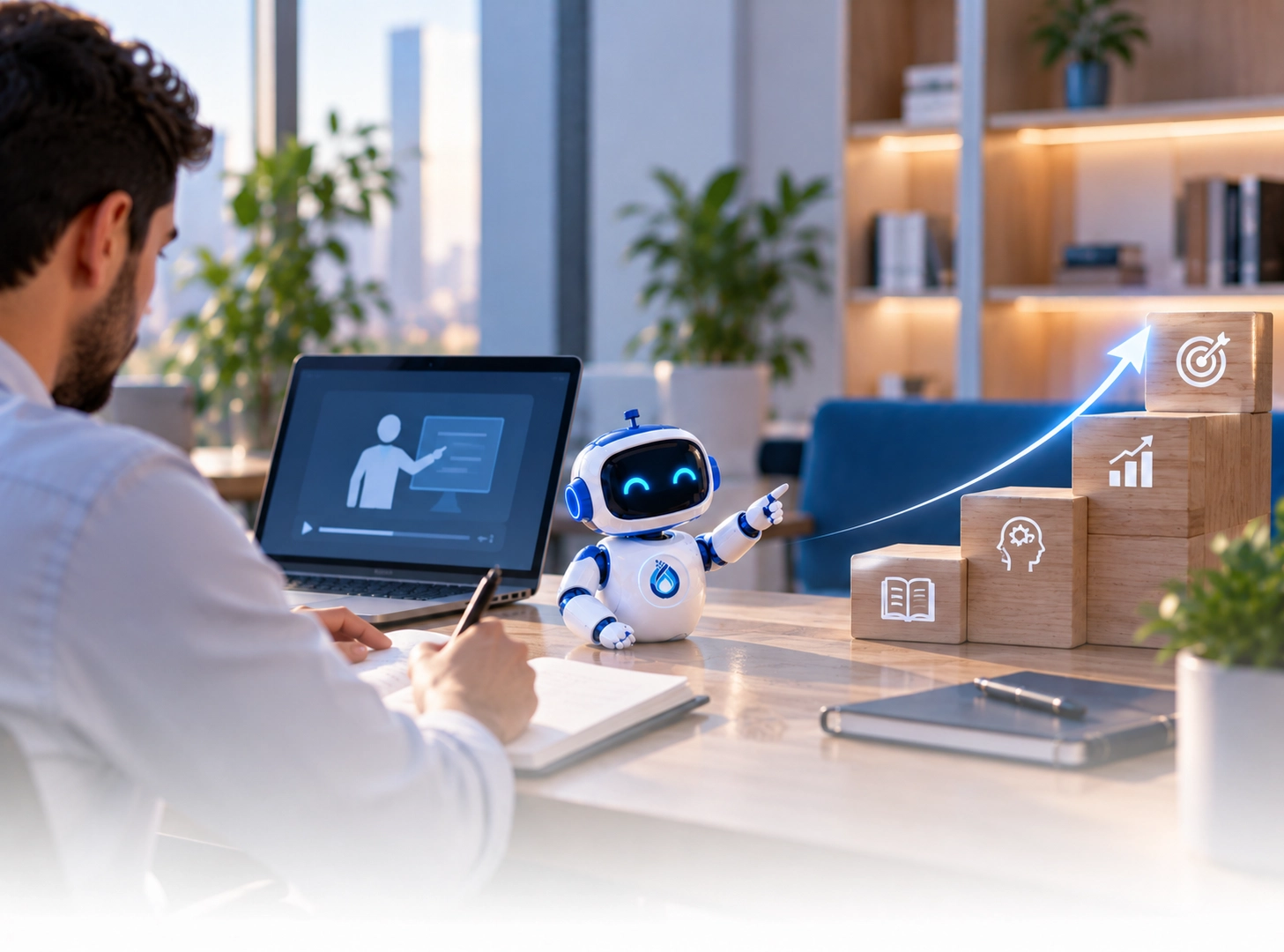
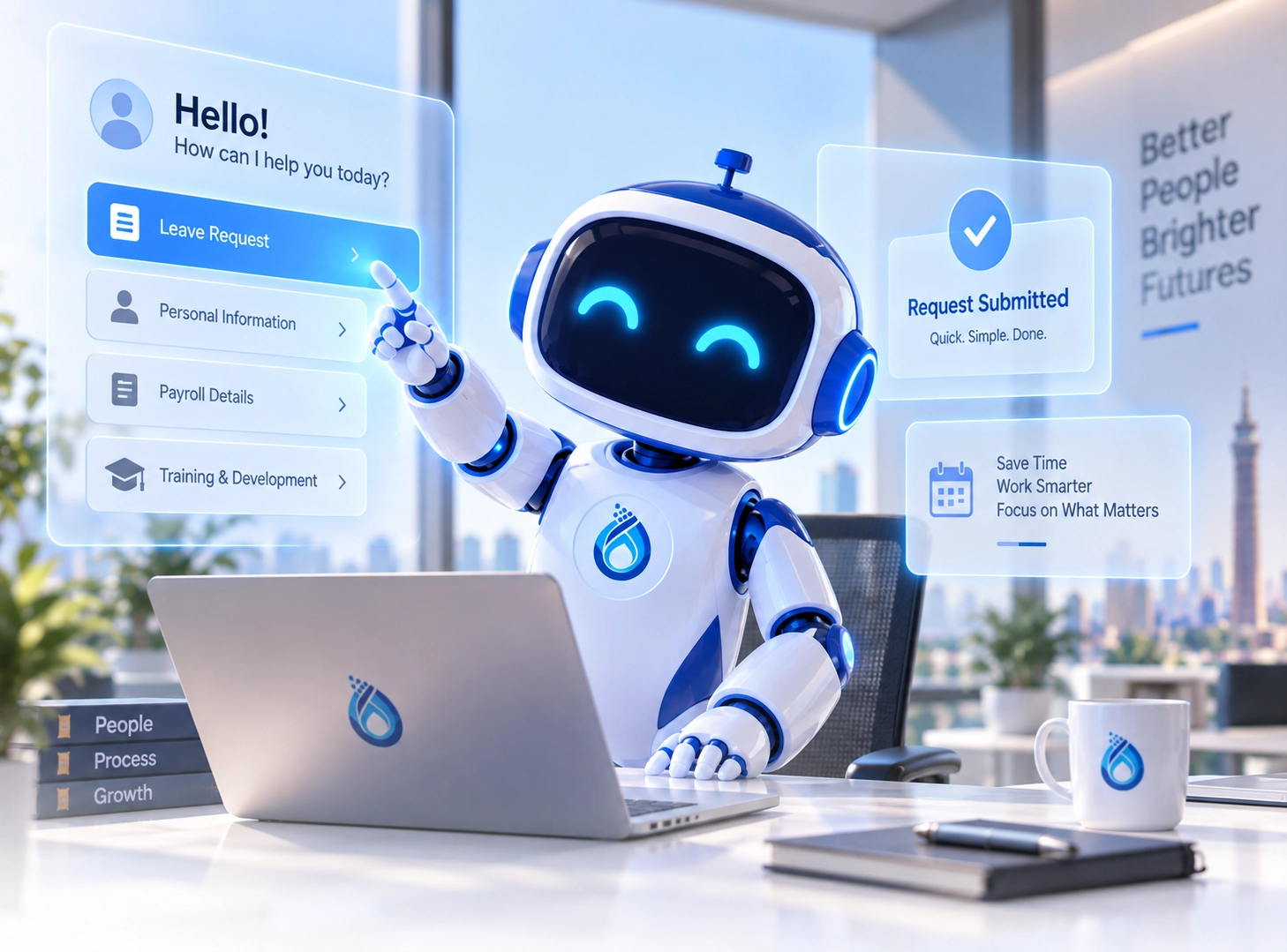
If ERP organizes business movement and financial and operational resources, HRMS organizes the human element that manages those activities. Its role goes far beyond storing employee data. It reaches into the daily work lifecycle itself: employee files, attendance, payroll, requests, performance, approvals, self-service, and the transition from paper-driven processes to more disciplined digital workflows. In its official positioning, Tidal presents HCM as an integrated system suited to organizations across sectors, helping transform traditional HR tasks into automated digital operations that add accuracy, efficiency, and less dependence on human error. That is extremely important inside an enterprise ecosystem, because no financial or operational decision is ultimately disconnected from HR decisions, workforce efficiency, compliance, and productivity indicators. When HRMS operates inside the Tidal ecosystem, it is no longer just an administrative HR system. It becomes a layer that enables the organization to connect human capital more deeply with operations, compliance, and reporting. This is where the value of integration becomes visible: people data is not an isolated file. It becomes part of the operating logic of the organization as a whole.
Where does the healthcare solution sit inside the ecosystem?
Within Tidal’s corporate picture, the healthcare solution should not be understood only as a standalone hospital system. It should be understood as a highly sensitive operational layer concerned with identity, access, linking actions to the right user, and ensuring that healthcare, medical, or highly regulated environments function with stronger control, documentation, and reliability. In healthcare contexts, organizations need more than business and HR management. They also need precise ways to control who enters the system, who performs each action, how identity is verified, how account sharing or misuse is prevented, and how operations remain traceable. This is where the healthcare solution—or the access, verification, and governance layer associated with it—plays its role. Through the way Tidal presents SSO and related security and backup solutions, this layer can be positioned as the part of the ecosystem that ensures sensitive environments are not built on speed alone, but also on trust, control, and procedural integrity. That is why the healthcare solution does not operate in isolation from ERP and HRMS. It both benefits from them and completes them.
Conclusion
Inside organizations that want to grow with stability, it is not enough to own several strong systems. What matters more is knowing how to make them work together. That is the core message this article should establish around Tidal’s solutions. When ERP, HRMS, and the healthcare solution come together inside one ecosystem, technology moves from being a collection of separate tools to becoming an institutional structure that supports operations, governance, decision-making, and growth. That is exactly how Tidal should appear: a company that delivers connected solutions that help organizations see the full picture, not just disconnected parts of it.
How does this ecosystem serve senior management and decision-makers?
Senior leadership is not looking for attractive systems alone. It is looking for an operational picture it can trust. Leaders want to see the organization from above without getting lost in detail, while also knowing those details are verifiable and accessible whenever needed. That is exactly what an integrated ecosystem creates. When Tidal’s solutions operate within one framework, reports become more meaningful because the data comes from connected systems rather than disconnected islands. Governance becomes more mature because access, permissions, and procedures are no longer left to informal workarounds. Planning becomes more realistic because leadership is no longer reading financial figures in isolation, HR indicators in isolation, or sensitive operational events outside their real context. Instead, it is reading one organization in its full operating language. That is the essence of the institutional picture this article supports. Tidal is not presented here as an ERP provider only, an HRMS provider only, or a healthcare solution provider only. It is presented as a connected business application umbrella that helps organizations manage complexity with greater clarity and balance