

- 1. Why are institutions afraid of replacing the current infrastructure?
- 2. What does integration without replacement actually mean?
- 3. How does Tidal start the integration project from the right point?
- 4. How does Tidal connect different systems within one framework?
- 5. How is implementation staged without disrupting operations?
- 6. How does this approach reduce cost and risk?
- 7. Why does this method reassure decision-makers?
- 8. Conclusion
Why are institutions afraid of replacing the current infrastructure?
The first reason is that current systems, even if they are old or fragmented, have become part of daily operations. A hospital or healthcare entity does not see these systems merely as software. It sees them as working pathways connected to registration, documentation, permissions, data, reporting, and collaboration between teams. That is why the idea of full replacement often feels like an unnecessary risk. The second reason is that technology decisions in sensitive environments are not measured only by the attractiveness of a new system. They are measured by their effect on stability. Leadership fears losing control, operations teams fear disruption to procedures, and technical teams fear a complex legacy of integrations that may break if the infrastructure is replaced all at once. That is why the real question is not, What is the best new system? It is, How do we improve the landscape without losing what already works? This is the angle that makes Tidal’s message more realistic, because it addresses change concerns instead of ignoring them.
What does integration without replacement actually mean?
Integration without replacement means that the project begins by respecting the institution’s current reality instead of assuming that everything in place must be discarded. Instead of building an isolated new environment, the work focuses on connecting existing systems, unifying data flows, controlling permissions, linking identities, and improving management visibility on top of the current structure. This does not mean freezing development or keeping current problems exactly as they are. It means that modernization happens in a selective and structured way. What can be retained is integrated. What needs improvement is reorganized. What represents a real gap is addressed through the right solution. In this way, digital transformation becomes a realistic path that can be executed inside a large institution without confusion. In this context, Tidal can be positioned as a partner that does not sell full replacement as the starting point. Instead, it presents a more mature methodology: understand what you already have first, then decide where integration is needed, where governance is needed, and where introducing a new solution is the right step.
How does Tidal start the integration project from the right point?
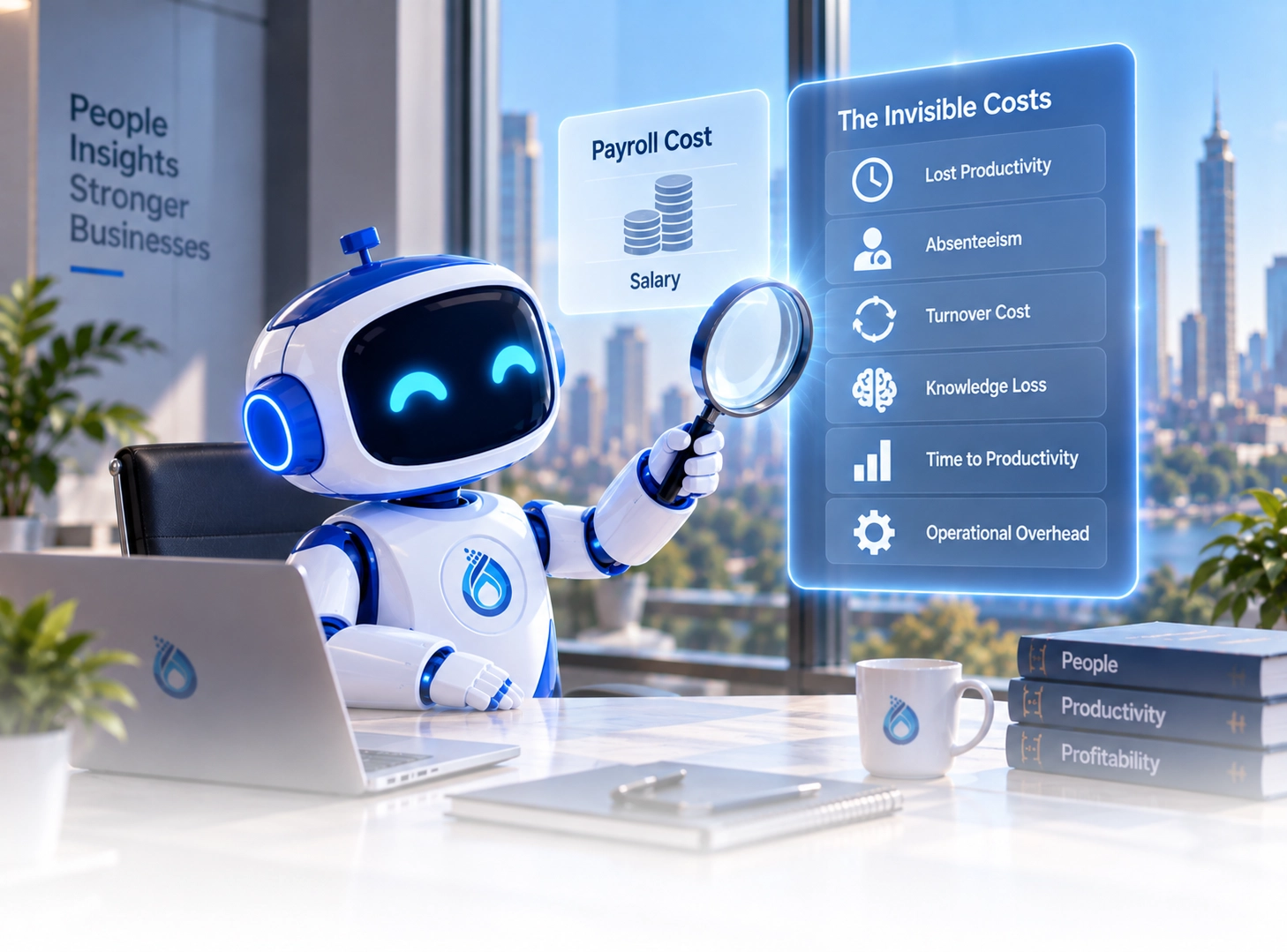
Every successful integration project begins with diagnosis. Before any technical connection is discussed, the operational landscape has to be understood: What systems exist? What role does each one play? Where are the duplication points? Where is data repeated? And where do identity, permissions, delay, or visibility risks appear? The right first step is not choosing a tool. It is mapping the current reality. This map helps identify relationships between systems, friction points between teams, and the elements that must be protected during the project. Only then does integration become a calculated decision rather than an open-ended experiment. The strength of this approach is that it moves the project away from broad promises and toward real priorities. The institution begins to see clearly what will be connected, what will remain unchanged for now, what will be organized first, and how success will be measured after every phase.
How does Tidal connect different systems within one framework?
When we talk about a large-scale healthcare institution, we are usually dealing with more than one technical layer: operational systems, identity and permissions systems, human capital solutions, enterprise or financial systems, and sometimes archiving, reporting, or backup tools. The value of integration here is not simply a technical link between two systems. It lies in organizing the relationship across all of these layers. This means that real integration must achieve more than one goal at the same time: unify access, control permissions, reduce duplication, improve data quality, and strengthen management’s ability to see the full picture. That is why Tidal appears in this article as a company that builds a more consistent operational and managerial layer over a diverse environment, not as a company that adds another isolated platform. When integration is managed with this mindset, systems move from separate islands to a connected ecosystem. That creates direct value for decision-makers: fewer gaps, greater clarity in roles, and a more stable operating experience.
How is implementation staged without disrupting operations?
The biggest mistake in integration projects is trying to do everything at once. A governed approach depends instead on stages: a diagnostic phase, an initial connection phase, a permissions-and-workflow control phase, and then expansion based on the outcomes of each step. This progression prevents major surprises and gives teams enough time to adapt. Phased execution does not mean slowness. It means distributing change across stages that can be controlled. Each phase has a clear scope, known risks, and defined success indicators. When the first stage succeeds, moving to the next one becomes easier for management to accept and easier for users to trust. This is especially important in healthcare institutions, where day-to-day operations do not allow for broad operational gambles. The ability to integrate without interrupting service therefore becomes a central part of the project’s value, not a side administrative detail.
How does this approach reduce cost and risk?
Full replacement often raises cost, not only in technology terms, but also in training, process interruption, rebuilding dependencies, repeated testing, and managing resistance to change. Intelligent integration reduces these burdens because it invests in what already exists instead of restarting from zero at every point. Operational risk also decreases when the project is gradual. The institution is not betting on a massive launch that could cause widespread disruption. It is moving through steps whose impact can be isolated and measured. That makes it possible to correct the course early if needed, before problems grow larger. From the perspective of senior management, this approach is more logical because it links spending to visible, incremental improvement. Each phase produces clear value instead of postponing all results until the end of one large, uncertain project.
Why does this method reassure decision-makers?
Decision-makers do not just want a new system. They want a project they can defend in front of multiple teams. They want to feel that change will not destroy what the institution depends on, that management will not lose control, and that the project will not turn into a chain of unplanned surprises. When Tidal presents integration without replacing the current infrastructure, it speaks in a language decision-makers understand well: protecting current investment, reducing risk, preserving operational continuity, and enabling improvement without a wide gamble. These messages build trust because they are realistic and address real fears instead of dismissing them. That is why this article is not only a technical article. It is also an institutional reassurance article. It shows that change can be disciplined, that integration can be calmer than replacement, and that improvement does not always require tearing down what has already been built.
Conclusion
Digital transformation in healthcare institutions does not succeed by jumping over reality. It succeeds by understanding reality and managing it rationally. There is a big difference between a project that asks the organization to start from zero and a project that helps it improve its current landscape step by step. From this angle, Tidal can be positioned as a partner that integrates existing systems without replacing the current infrastructure, because it focuses first on diagnosis, second on integration, third on phased execution, and on governance throughout the journey. That is what makes change less threatening, more executable, and far closer to the logic of major institutions. The real value is not simply adding a new system. It is making the systems already in place work together in a smarter, more consistent way. When that happens, modernization becomes a reassuring decision rather than a source of anxiety.