- 1. Why is an employee database alone not enough?
- 2. How does the connection start with the electronic employee file?
- 3. How do attendance and time records fit into the same environment?
- 4. What do payroll and self-service have to do with employee data management?
- 5. How does HCM support performance, training, and administrative growth?
- 6. What is the administrative return from one unified HR platform?
- 7. Conclusion
Why is an employee database alone not enough?
Some systems create a false sense of digital transformation because they save basic employee data but leave all other processes distributed across separate tools. The result is that HR teams keep re-entering information or reconciling conflicting records every month. A real employee data management program should not stop at storing names, IDs, and contracts. It should be the point from which the rest of HR workflows begin. When an employee’s status changes, when someone moves between departments, or when a leave balance changes, the impact should flow automatically into the related processes instead of being handled manually.
How does the connection start with the electronic employee file?
The electronic employee file is the backbone of any successful HCM platform. In Tidal HCM, the file includes not only personal and administrative data, but also smart archiving of documents, management of transfers and promotions, job status tracking, and complaints and grievances. This kind of file reduces the gap between stored information and the action that depends on it. When management needs to review an employee’s status, return to a contract or certificate, or understand the timeline of transfers and promotions, all elements are available in one connected context instead of being scattered across folders and spreadsheets.
How do attendance and time records fit into the same environment?
Attendance is not a separate file from the rest of the HR environment. It directly affects leave, permissions, overtime, payroll, and even discipline measurement. That is why the value of the platform increases when it can process absence, lateness, overtime, and shifts within the same system. When leave and return-from-leave actions are managed in the same environment, HR no longer needs to reconcile multiple files at the end of the month. Attendance becomes part of one connected operating flow that links to payroll, approvals, and control.
What do payroll and self-service have to do with employee data management?
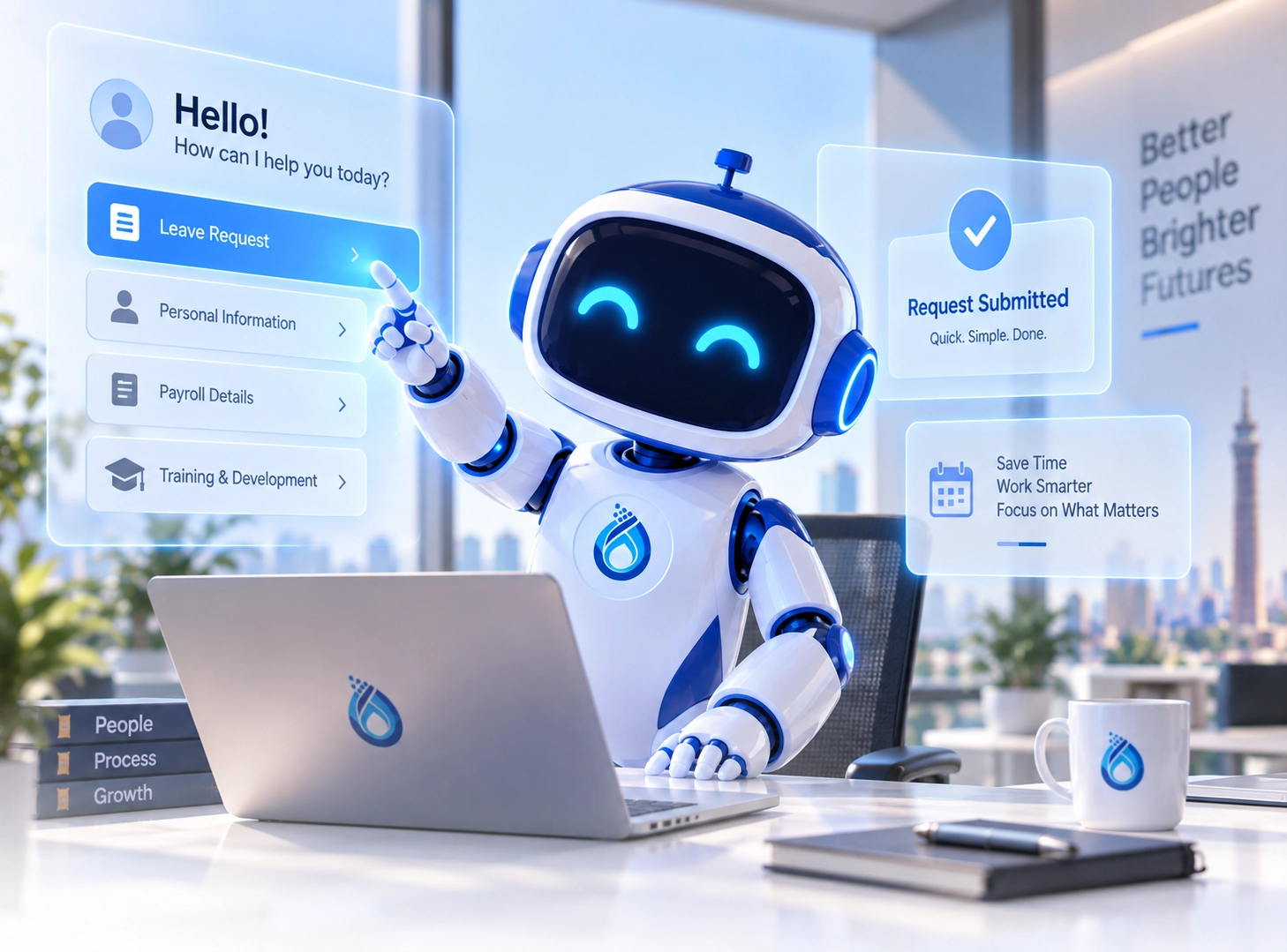
The connection between employee data and payroll is what transforms the system from an archive into an operating engine. Any change in the employee’s data, attendance, or job status should be reflected in entitlements, deductions, and payroll runs. When the system supports this linkage, payroll becomes faster and more accurate. Self-service adds another important layer of efficiency. Instead of moving requests through paper or email, employees can submit leave, exit, training, asset, and service requests electronically and track approvals inside the same platform. This improves both the employee experience and the consistency of HR operations.
How does HCM support performance, training, and administrative growth?
Companies that gather data without using it for improvement lose a large part of the system’s value. A comprehensive HCM platform therefore goes beyond employee files and payroll to include recruitment, performance management, individual development plans, and training management. When evaluation criteria are linked to operational goals and competencies, and performance results turn into practical development plans, data stops being just documentation and becomes a tool for improving performance and raising efficiency. This is where a unified HR platform becomes a real business enabler rather than a storage system.
What is the administrative return from one unified HR platform?
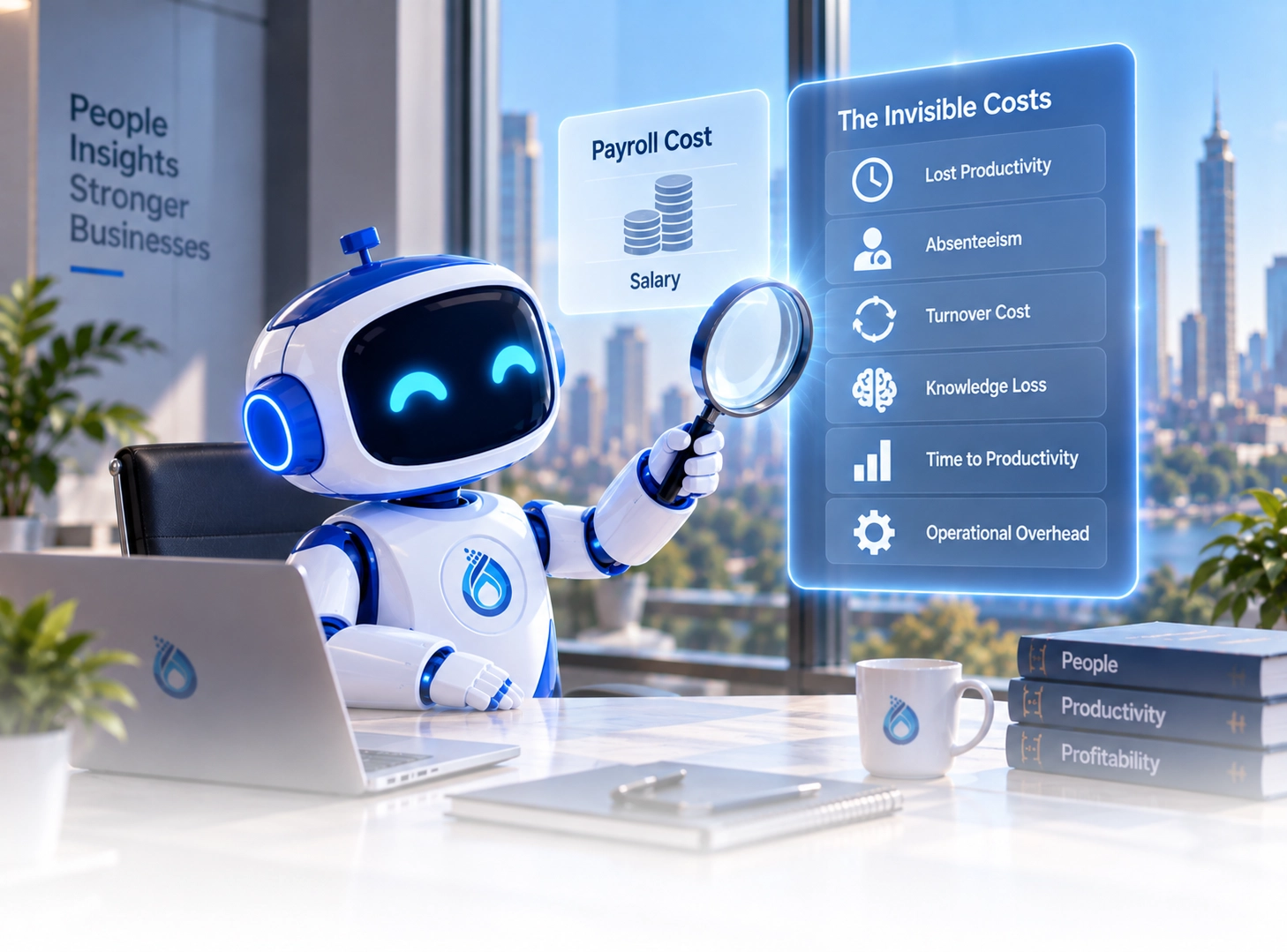
The first return is a reduction in wasted time spent on searching, reviewing, and moving data manually. The second is better decision quality, because reports rely on connected information rather than late manual compilation. The third is a better employee experience, because requests and follow-ups happen through one clear digital path. Over time, a unified HR platform becomes a true operational advantage. Management gets a clearer picture, HR works more efficiently, and the systems become less fragile and more scalable whether the company adds branches, expands headcount, or adopts more diverse work models.
Conclusion
HR employee data management software should no longer be understood as only an electronic file. Its real value appears when it becomes the gateway to an HCM platform that connects data with attendance, payroll, self-service, performance, training, and reporting. Any company that wants more disciplined HR, less duplication, and faster response times will find that the answer is not collecting more files, but unifying them inside one platform that understands how every HR process affects the next.