

- 1. What signs show that Excel is no longer enough?
- 2. How is personnel affairs software different from manual administration?
- 3. What features should be evaluated before purchase?
- 4. How can you start the transition without disrupting work?
- 5. What makes the decision successful in the long term?
- 6. Conclusion
What signs show that Excel is no longer enough?
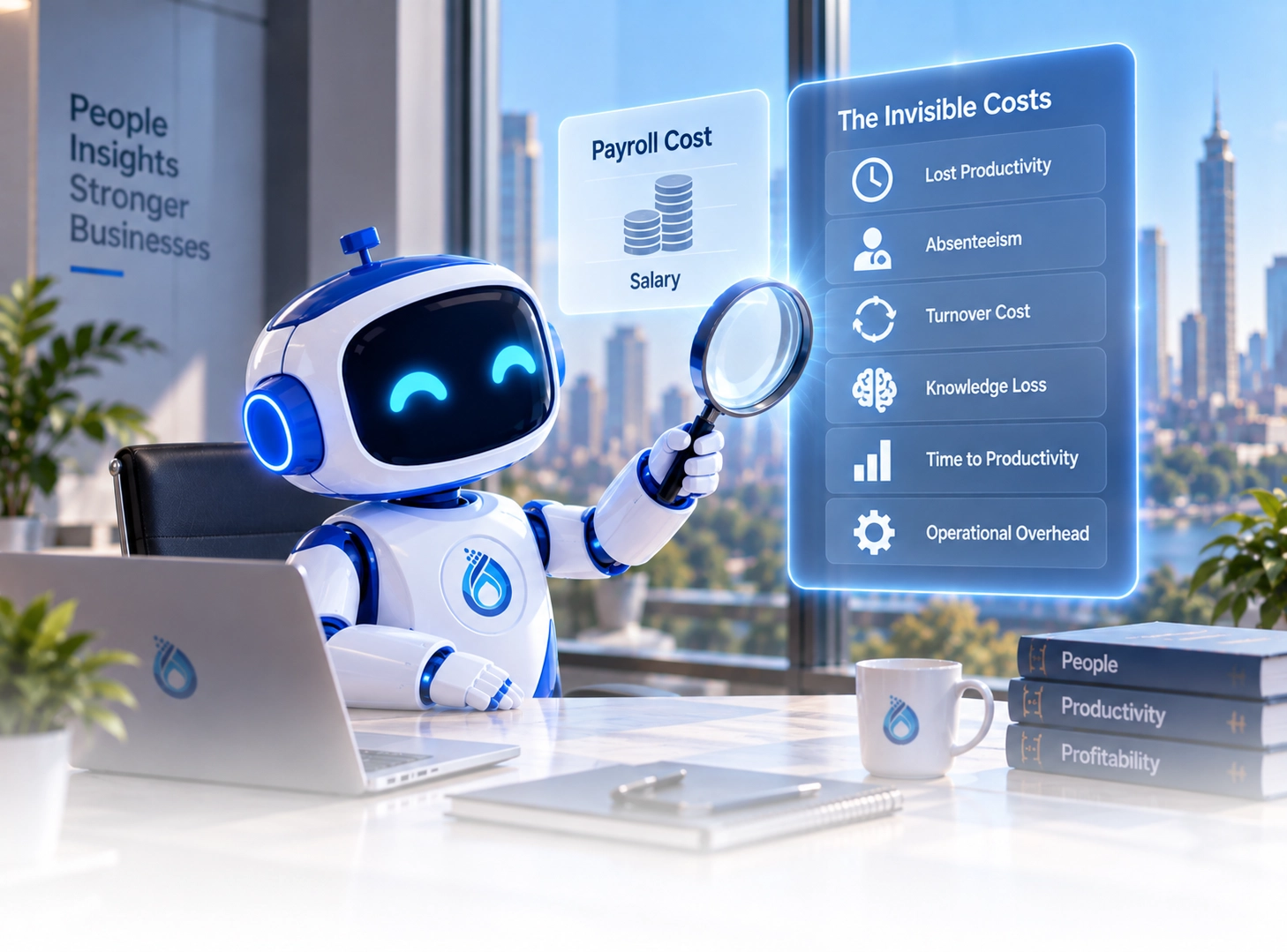
The first sign is slow access to information. If HR needs a long time to find a contract, update an employee’s status, or review a promotion decision, that is a strong signal that the current environment is no longer suitable. The second sign is repeated discrepancies, where the same information appears differently in more than one file or gets updated in one place and forgotten in another. The third sign is weak traceability. The harder it becomes to know the latest update, the latest action, or the history of an employee’s movement, the greater the administrative risk. The fourth sign appears when other functions start to suffer, such as attendance, payroll, or clearance processes that depend on incomplete or inconsistent personnel data.
How is personnel affairs software different from manual administration?
Manual administration depends heavily on people’s discipline, memory, and daily consistency in updating and storing information. Personnel affairs software turns those tasks into an organized process inside one platform. It provides an electronic employee file, structured archiving, employment status tracking, promotions and transfers management, and clearer procedural control. The key difference is not just speed. It is dependability. In a manual environment, a document can be lost, an update can be missed, or an action can be carried out without enough documentation. When operations are handled inside one system, the company gains a more stable foundation for administration, follow-up, and control.
What features should be evaluated before purchase?
Before buying personnel affairs software for companies, it is not enough to look at a list of features in general terms. The important questions are: does the system provide a complete electronic employee file? Does it support secure and structured archiving of documents and contracts? Does it allow the tracking of promotions, transfers, and live employment status? And can it support grievances and related procedures when needed? It is also important to assess ease of use, scalability, permission clarity, and the ease of accessing reports and information. A company is not buying a data screen only. It is buying an operational environment that will affect work speed and accuracy for years.
How can you start the transition without disrupting work?
A successful transition does not start by migrating everything at once. It starts by deciding what needs to be unified first: core employee data, contracts, documents, and employment status. Then files are cleaned up, duplicates are removed, and the policies for managing records are clarified before going live. It is also important to choose a system that can naturally connect with other processes later, such as attendance, payroll, and self-service. This way, personnel affairs software does not become an isolated project, but the first building block in a broader, controlled HCM journey.
What makes the decision successful in the long term?
Success does not depend on the purchase itself. It depends on how well the system fits the company’s operating model. A good solution can support today’s reality without being trapped by it. It should be able to grow with the business, handle multiple branches, adapt to changes in structure and procedures, and keep supporting HR as the organization becomes more complex. Clear workflows, simple training, and strong support also matter. They turn the software into a genuine investment rather than a temporary reaction to administrative pressure. That is why the decision to buy personnel affairs software should be approached as an operational and organizational decision, not just a software purchase.
Conclusion
When scattered files and Excel sheets start slowing work down instead of supporting it, delaying the decision becomes more expensive than making it. Personnel affairs software for companies is not an administrative luxury. It is a practical tool for organizing data, documents, and job movements more accurately and efficiently. The earlier a company makes that move at the right time, the better it can control personnel affairs today, connect them to broader HCM processes tomorrow, and operate on a more accurate, transparent, and scalable foundation.