
- 1. Beyond the Time Clock: The Modern Paradigm of Attendance & Time Management
- 2. From Working Time to Labor Cost: Connecting Attendance Directly to Payroll Accuracy
- 3. Shift Management & Workforce Analytics: Optimizing Operational Capacity and Fatigue
- 4. Employee Self-Service, Privacy Governance, and Enterprise Evaluation Criteria
Beyond the Time Clock: The Modern Paradigm of Attendance & Time Management
For many organizations, Attendance & Time Management has traditionally meant one thing: knowing when employees arrive and leave. However, in modern enterprises, working time has transcended mere clock-in and clock-out logs. Attendance data serves as an operational mirror reflecting how work is actually executed: where absenteeism and lateness cluster, how overtime hours are utilized, whether recorded time flows accurately into payroll, and whether workforce schedules align with actual operational demand.
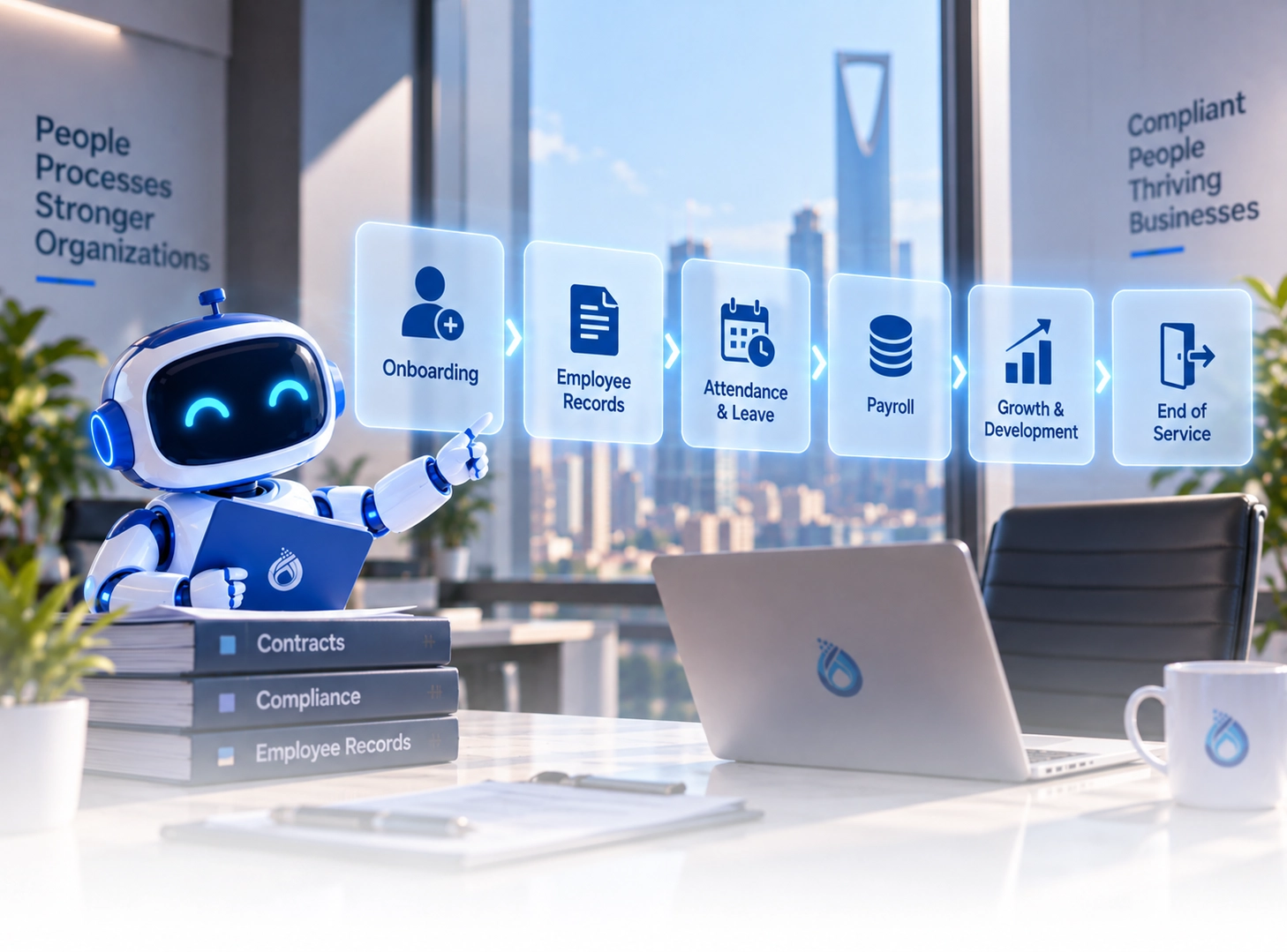
This realization has elevated attendance management from an administrative compliance task into an essential pillar of workforce operations. The strategic question facing executive leadership has shifted from the superficial inquiry: "Was the employee present?" to the transformative decision-making inquiry: "What can the organization learn and optimize using its workforce time data?". This operational paradigm operates across a connected value chain: (Attendance Data → Working Time → Productivity → Labor Cost → Payroll → Workforce Planning → Operational Performance).
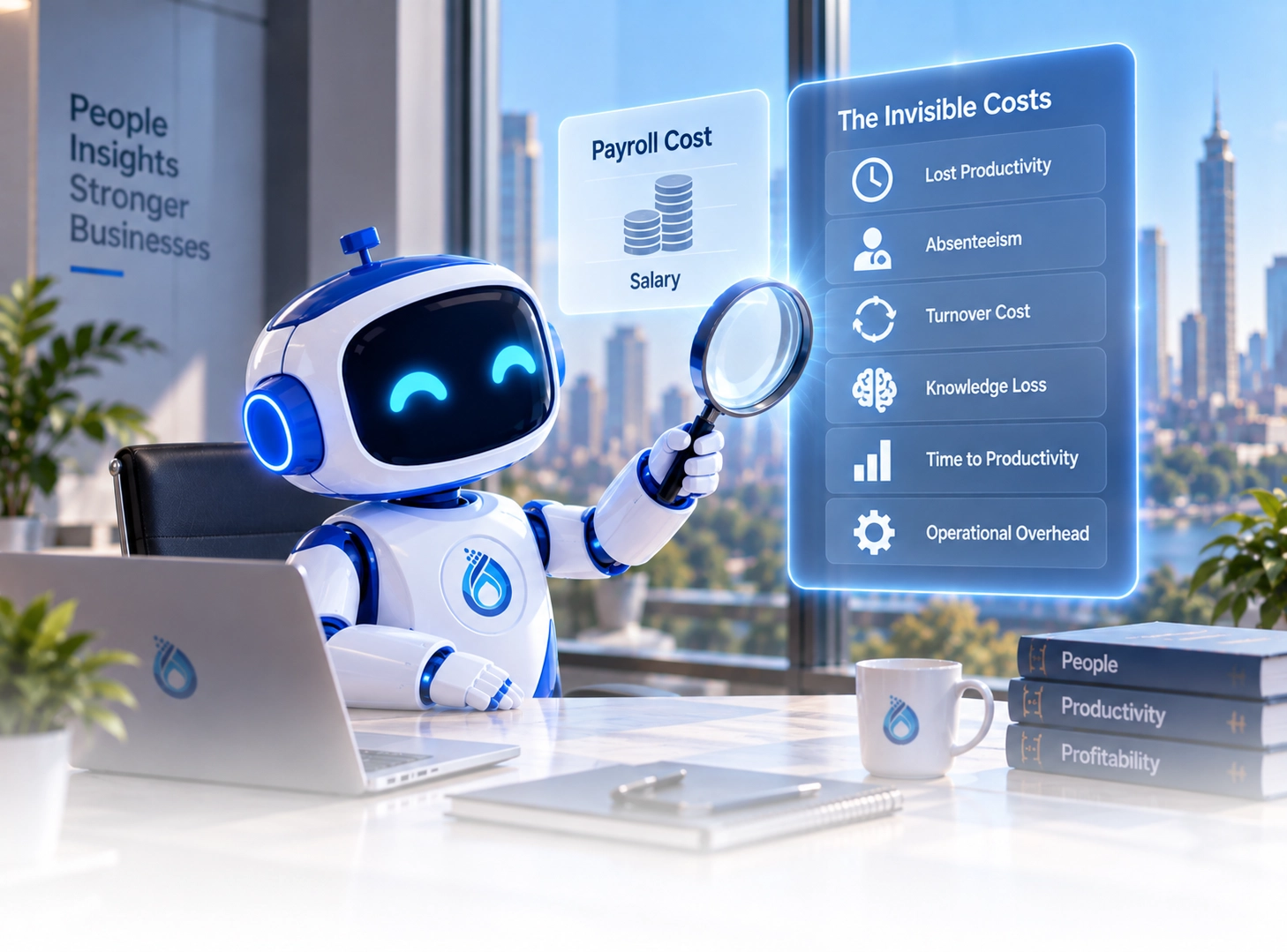
Within this framework, absenteeism and lateness act as critical operational signals rather than simple disciplinary records. An unplanned absence forces last-minute workload redistributions, places acute stress on intact teams, and triggers costly overtime coverage or unbalanced shifts. Empirical research, including findings from the CDC Foundation and SHRM/Kronos studies, demonstrates that unexpected absenteeism inflicts far greater productivity losses and financial strain on operations than structured, planned leave.
From Working Time to Labor Cost: Connecting Attendance Directly to Payroll Accuracy
Working time is intrinsically linked to organizational labor cost. Uncontrolled overtime, sudden absenteeism, unbalanced shift coverage, and recurring tardiness directly inflate operational expenses. Consequently, Overtime Management should never be treated as an after-the-fact approval routine; it must function as an active component of operational capacity planning and labor distribution.
A paramount value of modern attendance management lies in bridging the historical divide between time tracking and payroll accuracy. Many severe payroll discrepancies and employee grievances do not originate within payroll processing itself, but far upstream: from unrecorded leaves, faulty time entries, or retroactive overtime adjustments. Modern systems eliminate manual re-entry and reconciliation errors by establishing a seamless, automated time-to-payroll pipeline:
Shift Management & Workforce Analytics: Optimizing Operational Capacity and Fatigue
For 24/7 continuous operations—such as healthcare facilities, manufacturing plants, logistics hubs, and contact centers—managing workforce time escalates into an issue of occupational safety and operational risk. Shift work research demonstrates that roster construction directly impacts worker fatigue, recovery cycles, error incidence, and physical safety. Effective shift management is not merely populating calendar slots; it represents a deliberate strategy to balance operational demand with sustainable human capacity.
Modern shift engineering harmonizes the relationship across: (Shifts → Schedules → Working Hours → Overtime → Workforce Capacity). This is precisely where Attendance Analytics delivers transformational value; the primary objective is no longer tallying gross hours, but uncovering behavioral patterns and systemic operational trends across the entire enterprise.
- Identifying systemic tardiness trends tied to specific shifts or transportation routes.
- Pinpointing recurring absence patterns (such as Monday or Friday spikes).
- Detecting understaffing bottlenecks and critical shift coverage vulnerabilities proactively.
- Uncovering chronic overtime concentration to mitigate employee burnout and turnover.
- Benchmarking attendance metrics and schedule compliance across regional sites.
- Providing executive leadership with predictive intelligence for agile workforce capacity planning.
Employee Self-Service, Privacy Governance, and Enterprise Evaluation Criteria
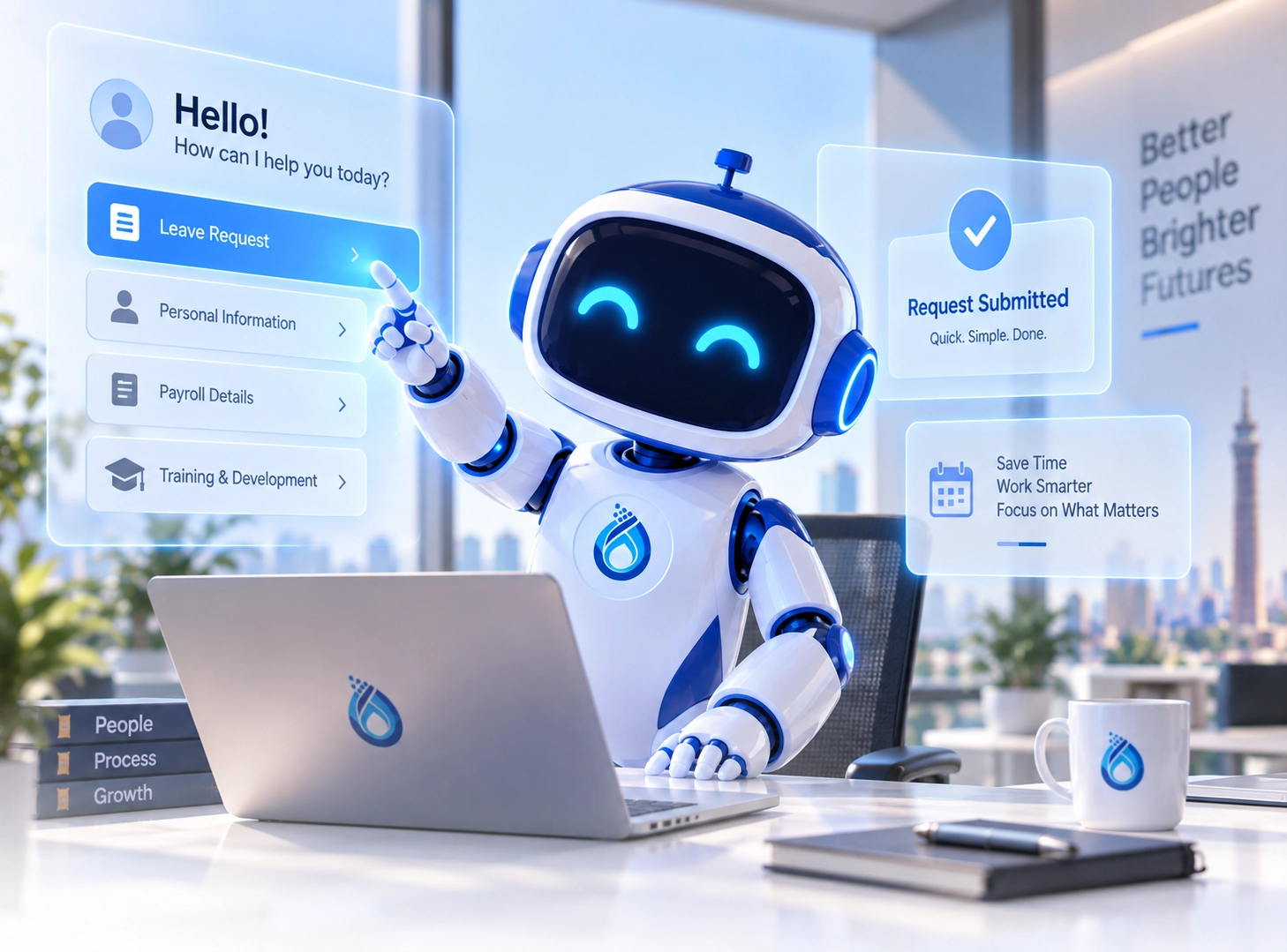
Digital transformation in time management does not mean simply replacing paper punch sheets with an electronic terminal. If attendance records remain trapped in silos or require manual spreadsheet manipulation, the underlying operational fragility persists. Real organizational transformation occurs when employees are engaged as active participants via Employee Self-Service (ESS) portals, granting them instant visibility into attendance histories, leave balances, and shift schedules—driving transparency and elevating the digital employee experience (DEX).
Simultaneously, the pursuit of granular data must never compromise privacy and compliance governance. Deploying biometric modalities like facial recognition and fingerprint scanning requires strict alignment with global data protection laws (such as GDPR and regional privacy mandates), ensuring data minimization and encrypted storage. When evaluating attendance systems, leadership must focus on the complete operational architecture: data integrity, automated payroll synchronization, shift ergonomics, employee transparency, and rigorous privacy governance.
Ultimately, workforce management begins with attendance capture—but its true strategic power lies in transforming working time into an enterprise driver of sustained productivity and operational excellence.
Ready to Transform Attendance Management into an Engine of Workforce Productivity?
Discover how Tidal's Inspira One integrates intelligent time tracking, advanced shift scheduling, and self-service directly into your payroll engine with enterprise-grade privacy and zero administrative friction.
Schedule a Consultation & Product Demo