
- 1. What is the difference between a biometric device and a full attendance system?
- 2. What are the most important criteria when choosing the system?
- 3. How do you know the system is suitable for shift work?
- 4. What about field employees and off-site work?
- 5. How should you compare price with actual value?
- 6. What questions should you ask before requesting a quotation or demo?
- 7. Conclusion
What is the difference between a biometric device and a full attendance system?
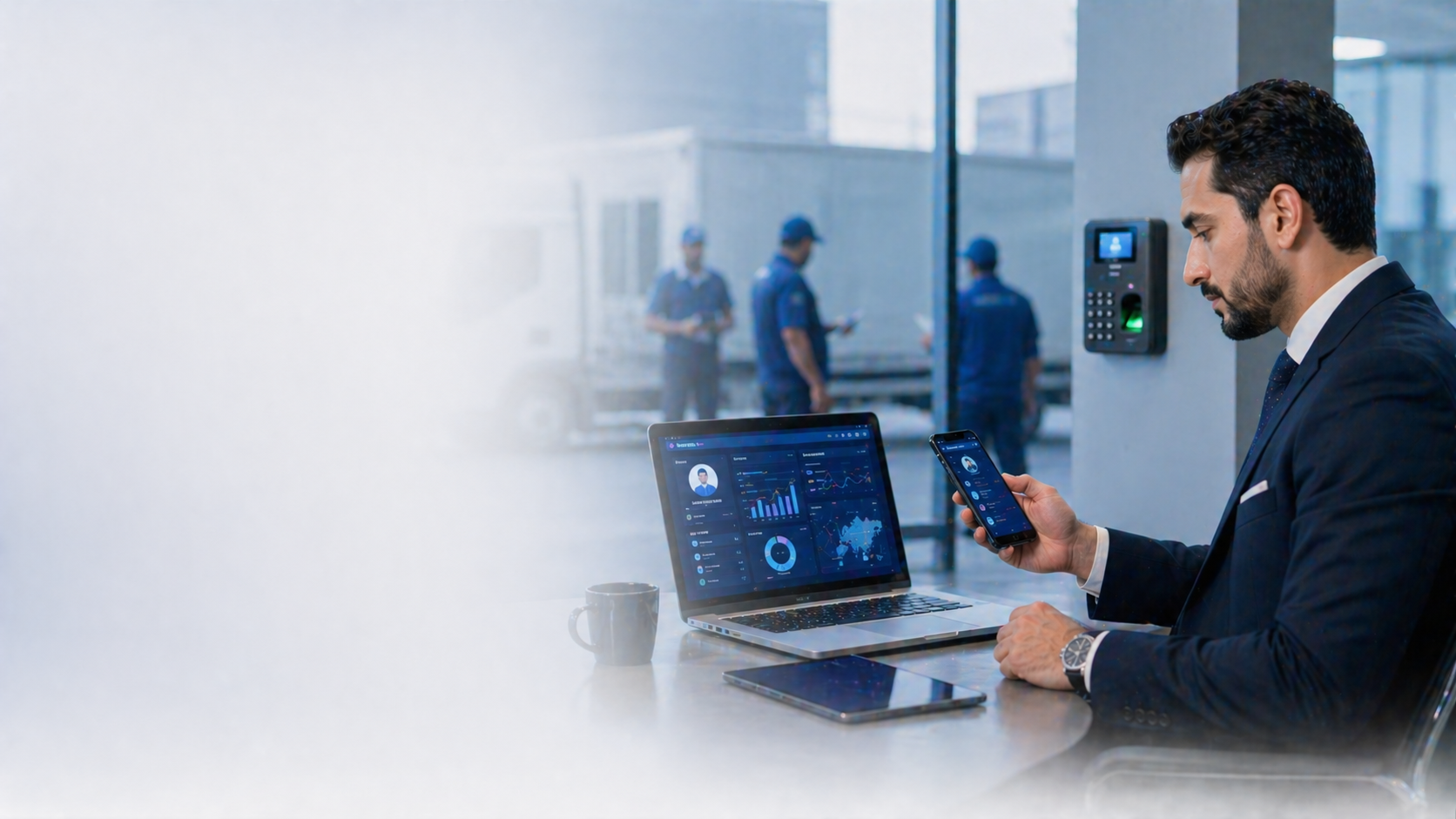
A biometric device is only an input method, while the system is the engine that reads the data, processes it, and connects it to policies, payroll, and reports. If the device records that an employee checked in, the system determines whether that check-in was within the allowed time, whether there was lateness, whether a different shift applies, whether overtime should be counted, and whether all these elements should correctly affect entitlements. That is why buying a device without ensuring the software behind it is strong may solve a small part of the problem and leave the larger part untouched.
What are the most important criteria when choosing the system?
There are five main criteria worth examining. First, the system must be able to process time variables, not just record time. Second, it should handle shifts and flexible schedules effectively. Third, it should support more than one recording method, whether through biometrics, mobile app, or controlled administrative entry when needed. Fourth, it must integrate smoothly with payroll, leave, and employee records. Fifth, it should provide clear reports that help management see lateness, absence, overtime, and exceptions instead of leaving them with a raw log that is difficult to use.
How do you know the system is suitable for shift work?
If your company operates morning, evening, and night shifts, uses frequent roster swaps, or depends on complex schedules, this must be a central part of the decision. A system suitable for shifts allows different work plans to be defined, accepts shift changes, calculates lateness and overtime according to each shift, and continues to function effectively when repeated exceptions occur. Limited systems often look good in demos, but consume a great deal of HR time once real operations begin.
What about field employees and off-site work?
In many work environments, a fixed biometric point alone is not enough. That is why you should verify that the system also supports mobile attendance or alternative recording methods for employees who work across multiple sites or outside the main office. More importantly, those records should remain reviewable and approvable inside the same system, not through an external channel that creates more administrative work. This is where the difference becomes clear between a traditional biometric setup and a modern attendance environment designed for the company’s actual reality.
How should you compare price with actual value?
The price of attendance software for companies should not be evaluated only through licensing fees or the number of devices. What matters more is value: how much time will it save HR? How many payroll errors will it reduce? Will it lower attendance disputes? Will it support future expansion? Will it eliminate partial tools and exhausting monthly correction work? Sometimes the cheapest system becomes the most expensive in the medium term because it creates more manual work instead of removing it.
What questions should you ask before requesting a quotation or demo?
Before requesting a quotation, it is wise to ask: Does the system support multiple shifts? Can it integrate with payroll? Does it support mobile attendance? How are exceptions handled? Are there ready-made reports for lateness, absence, and overtime? Can the system scale to more sites, companies, or departments? Are there clear permissions for supervisors, HR, and management? These questions make a major difference between a purchase based on real operational need and one based only on appearance or price.
Conclusion
Choosing a biometric attendance system for companies is a bigger decision than buying a device. It is a decision about how time, discipline, and payroll will be managed across the organization. The more the company depends on shifts or field teams, the more obvious the need becomes for a flexible system connected to HCM. That is why the best choice is not the system that only records attendance. It is the one that turns time data into more accurate operations, easier administration, and greater trust.