
The Historical Shift and Bridging Data Silos: From Personnel to Modern HCM
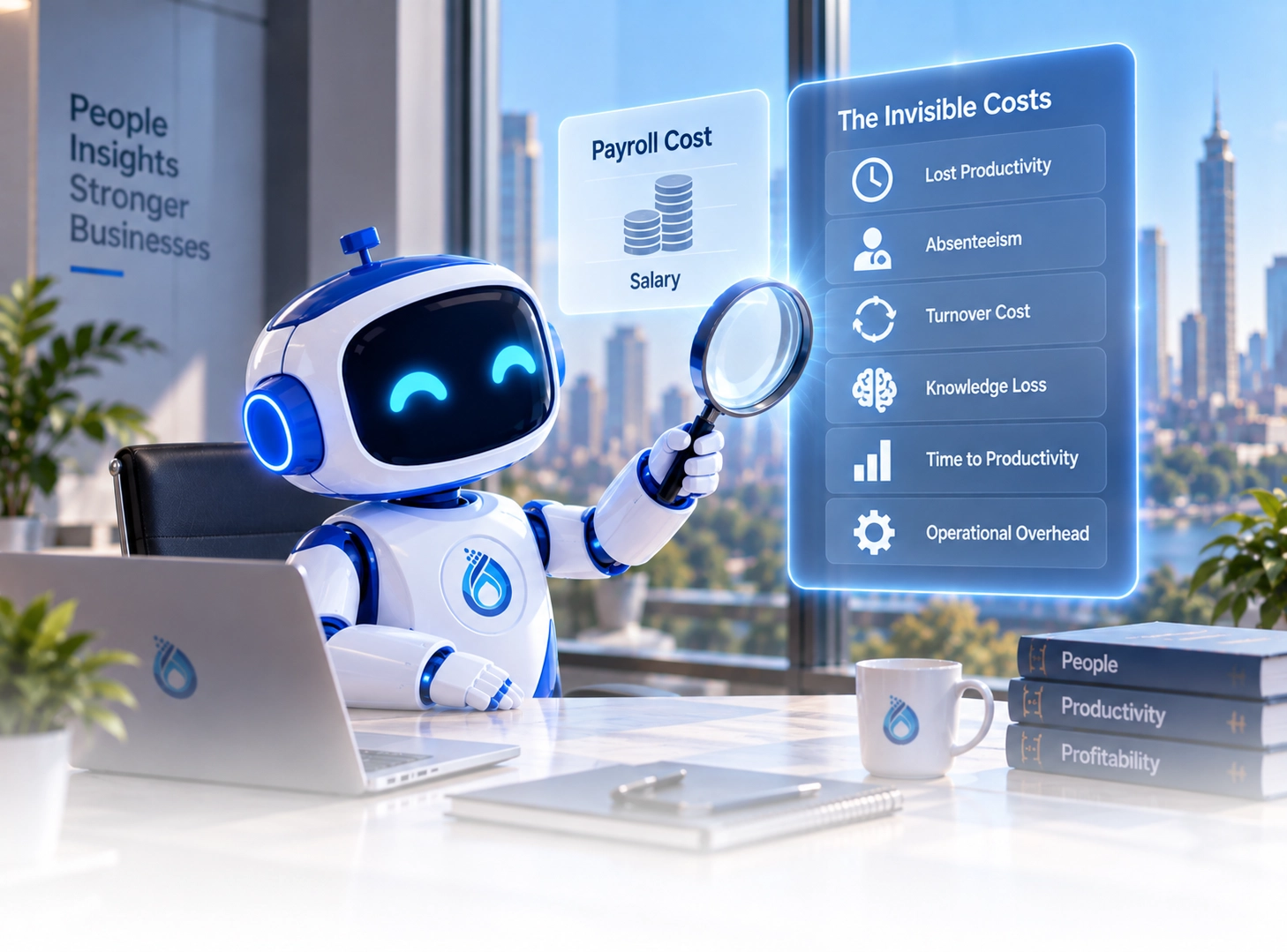
In an era of accelerating digital transformation and heightened macroeconomic volatility, Human Resource management can no longer function merely as a transactional administrative silo dedicated to attendance logs and routine payroll processing. Forward-thinking enterprises recognize that the workforce is not an operational overhead to be compressed, but a dynamic capital asset driving sustainable competitive advantage and continuous innovation. This imperative requires transitioning toward a modern Human Capital Management (HCM) ecosystem.
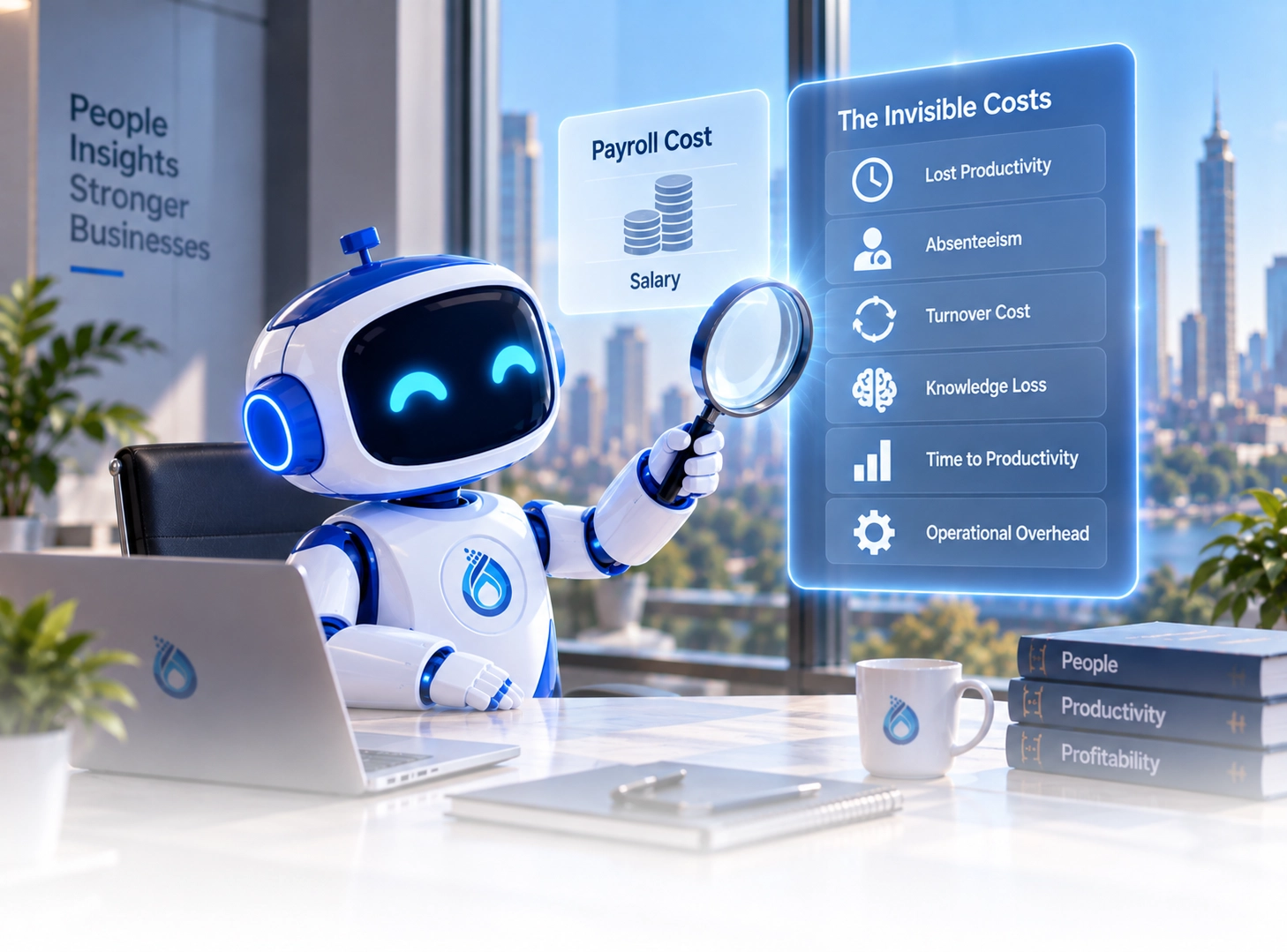
Historically, workforce management relied on administrative, paper-based personnel models that treated employees as passive execution units rather than strategic assets. Contemporary organizational theory demonstrates that long-term enterprise success requires data-driven, strategic HR management; a landmark meta-analysis spanning 66 empirical studies (Crook et al., 2011) confirmed a robust, statistically significant relationship between investments in firm-specific human capital and superior organizational performance. With workforce expenditures accounting for up to 70% of total operating expenses across industries, C-suite leadership requires a modern platform that converts workforce costs into measurable ROI.
A major structural bottleneck historically facing enterprises is data fragmentation across isolated software silos (Data Silos); legacy architectures separated attendance, payroll, and performance into disconnected databases, leaving HR metrics detached from strategic business outcomes (Lawler et al., 2004). Conversely, a modern HCM system delivers a Unified Data Architecture consolidating employee lifecycles into a Single Source of Truth, equipping leadership with total visibility into talent mobility, labor expenses, and competency deficits across the entire enterprise footprint.
The HCM Value Chain, Process Architecture, and Employee Experience (EX)
A modern HCM ecosystem moves beyond passive data storage to establish an end-to-end strategic value chain: People → Data → Processes → Insights → HR Decisions → Enterprise Value. This operational alignment is achieved by structuring roles around a comprehensive Job Architecture and Skills Taxonomy; research by KPMG identifies this architecture as the vital foundation for Strategic Workforce Planning (SWP), allowing organizations to deconstruct rigid job titles into granular, deployable competencies.
This operational agility is indispensable amid rapid labor market disruptions; the World Economic Forum's Future of Jobs Report 2025 reveals that 63% of global employers identify skills gaps as the single largest barrier to transformation, with 22% of current roles projected to undergo fundamental disruption by 2030. An advanced HCM platform empowers enterprises to anticipate capability deficits and dynamically reallocate talent to strategic growth areas.
Furthermore, modern HCM redefines the Employee Experience (EX) through intuitive, consumer-grade Employee Self-Service (ESS) portals and automated workflows. Practical evidence from ABN AMRO demonstrates how operationalizing employee experience analytics delivered direct gains in customer satisfaction and net financial performance, proving that empowering internal talent directly enhances client loyalty and commercial profitability.
People Analytics, Financial Integration, and the ISO 30414 Standard
The definitive value of an HCM platform materializes when operational records convert into forward-looking insights via evidence-based People Analytics, shifting leadership from subjective intuition to data-backed strategy. Recent structural equation modeling research (Putro & Pribadhi, 2026) proves that People Analytics Capability exerts a decisive positive impact on Strategic HR Decision Quality (β = 0.763, R² = 0.582), isolating executive support and analytical competency as the primary drivers of strategic effectiveness.
Furthermore, human capital strategy cannot function in isolation from financial governance; integrating HCM platforms directly with enterprise ERP and financial subledgers ensures cross-departmental alignment. Global case evidence from Tetra Pak demonstrates how close collaboration between HR and Finance ensures that workforce planning models are grounded in audited financial metrics accepted by the C-suite.
This governance is anchored globally by the updated ISO 30414:2025 standard for Human Capital Reporting and Disclosure, defining 69 standardized metrics across 11 core domains (such as productivity, workforce costs, diversity, health & safety, and ethics). A modern HCM platform provides the audit-ready transparency required to satisfy ESG compliance frameworks and executive governance mandates.
Implementation Challenges and Realizing Sustainable Enterprise Value
Despite compelling strategic ROI, empirical research underscores that HCM deployment success requires surmounting four critical operational hurdles: first, Data Quality and System Integration, overcoming fragmented legacy records through disciplined data governance; second, Analytical Skill Gaps, where Bersin & Deloitte studies reveal only 9% of HR professionals feel proficient in data-driven decision-making, demanding sustained capability development.
Third, Data Security, Privacy, and Ethical AI Governance, ensuring strict adherence to global mandates such as GDPR and preventing algorithmic bias; and fourth, Change Management, dismantling cultural resistance among managers accustomed to intuitive decision-making through proactive leadership alignment.
True transformation is never achieved by merely licensing software or digitizing administrative paper forms; sustainable organizational value is unlocked when intelligent technology integrates with organizational culture to align workforce potential with enterprise strategy. Tidal Information Systems, through its Inspira One enterprise HCM platform, delivers the secure cloud architecture to realize this vision aligned with global best practices.
Ready to Modernize Your HR Ecosystem and Transition to Enterprise HCM?
Connect with Tidal Information Systems today for a complimentary strategic executive consultation to evaluate your human capital infrastructure and deploy Inspira One HCM.
Schedule Your Strategic HCM Consultation →